Security teams
Can we verify the result?
Evidence, verification and scope.Inspect the technical detail
Security practitioners can review scope, reproduction steps and verification states, then ask follow-up questions about the investigation.
Give technical and nontechnical teammates a shared way to ask for work, follow progress and review the outcome. The detail stays available when someone needs to go deeper.
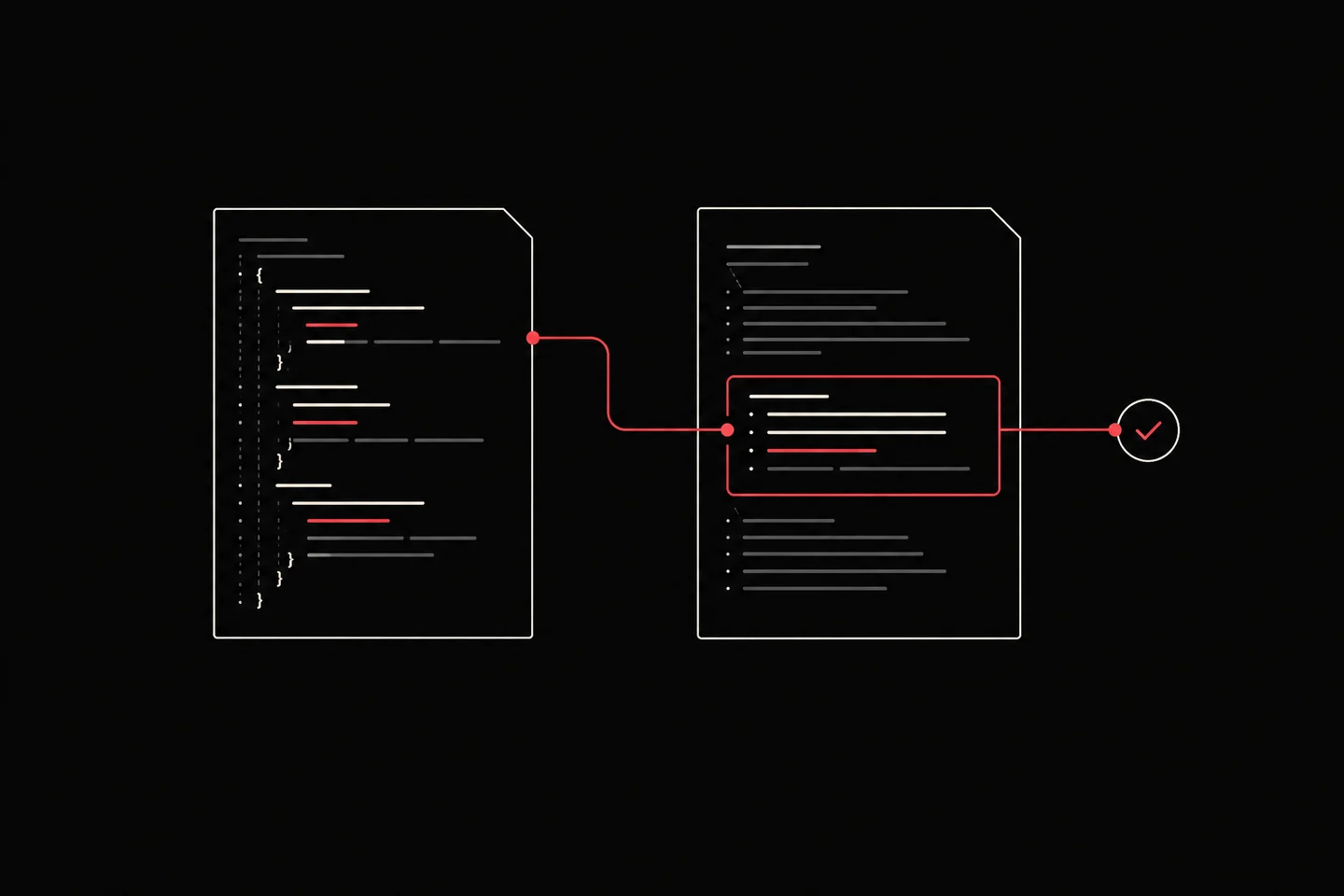
Can we verify the result?
Evidence, verification and scope.Security practitioners can review scope, reproduction steps and verification states, then ask follow-up questions about the investigation.
What should we fix next?
Reproduction, remediation and retests.Engineering teams get the context for a fix. Keep follow-ups visible and return to the original issue when the change is ready.
What needs a decision?
Plain-language updates, reports and slides.Explain the objective in plain language. Review progress, shape a report or preview a prepared presentation before a meeting.
Evaluate the actual workflow against a task your team needs to complete.
Ask to inspect a finding, the conditions tested and what supports its status. A pending result should be clearly different from a verified one.
Look at scope, permission requests and the controls for sharing a presentation. Confirm which capabilities are enabled in your setup.
Walk through a report edit, a PDF preview and a follow-up task. The output should help the person who owns the next decision.
Use a clear objective, review the evidence and plan the next check. Make the cadence fit the people who will act on the result.
If a customer, insurer or contract names a testing method or accreditation, confirm that requirement before selecting the service.
Compare credits, seats, recurring work and retests alongside the initial test. Services are scoped and quoted separately.
Bring an objective and the kind of result your team needs to use.